

Home · Guide · Construction
Guide · ConstructionConstruction Equipment Financing for Contractors
Excavators, loaders, cranes and dozers — financed new or used, from dealers, private sellers or auctions, so the iron is on the jobsite when the job starts, not when cash flow catches up.
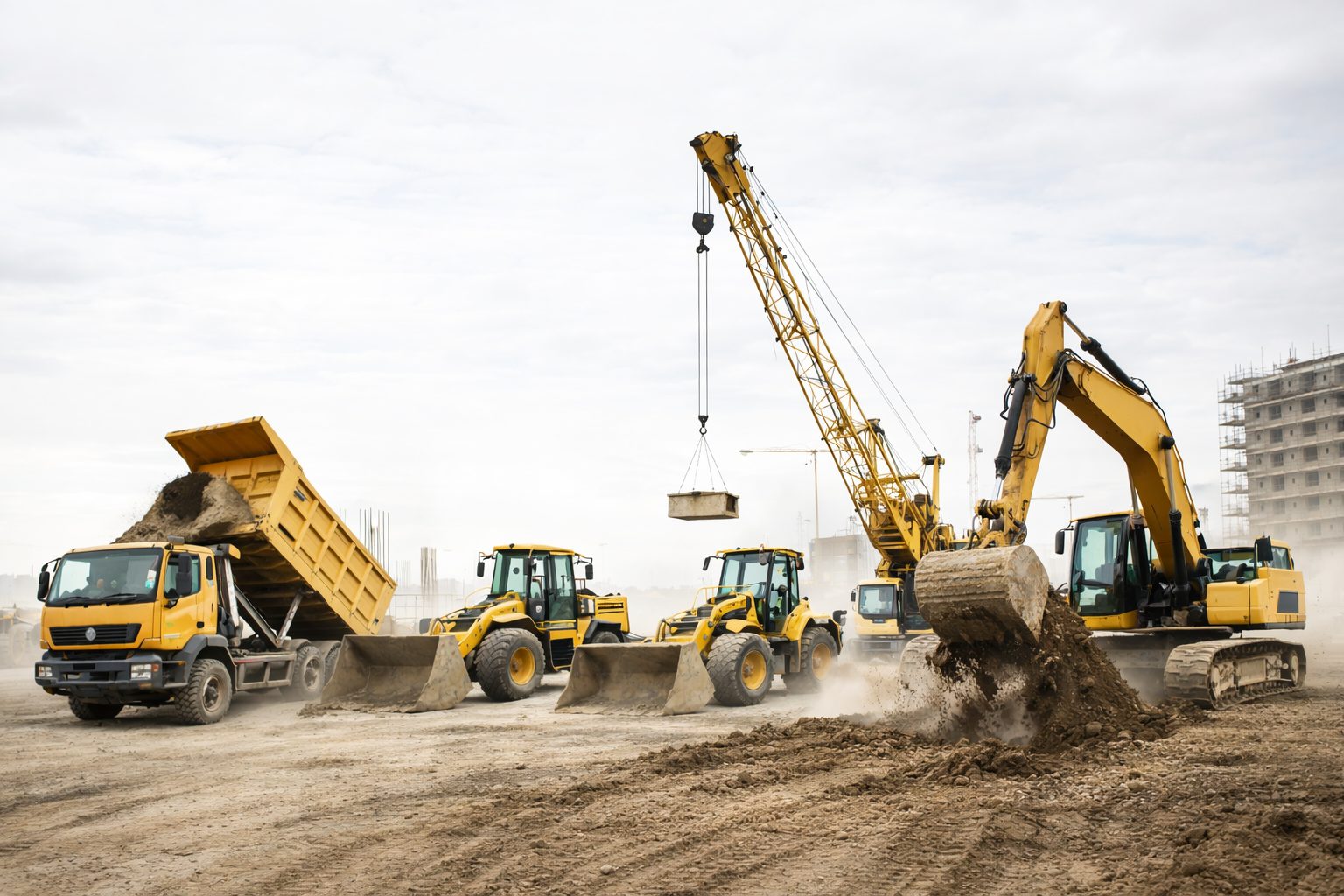
Excavators, skid steers, dozers and more — from $50K–$75MM+, with pre-qual in 24–48 hours and a soft pull only.
Moniphy, LLC · November 2026
Pre-qual in 24–48 hours. Soft pull only — no impact on your credit to check.
Construction runs on equipment. The excavator that opens a site, the skid steer that keeps it moving, the crane that sets the steel — when a machine is down, late, or simply not in your fleet, the whole job slows with it. Yet buying that equipment outright can drain the cash a contractor needs for payroll, materials, fuel, and bonding on the next project.
That is why construction equipment financing exists: it spreads the cost of revenue-producing machines over monthly payments, so the equipment can earn on the job while you preserve working capital. This guide covers how it works, what it can pay for, the structures contractors use, what you need to qualify, and how to apply.
Why Contractors Finance Equipment Instead of Paying Cash
Paying cash feels simple, and for a small attachment it may be. For a major machine, the trade-offs look different:
- Cash flow stays intact. A six-figure machine paid in cash is six figures no longer available for payroll, materials, subcontractors, insurance, or the deposit on the next job. Financing keeps that reserve in the business.
- The equipment helps pay for itself. A financed excavator or loader goes to work immediately and generates billable production while the payments are spread over 24–84 months, instead of one large outlay before the first draw.
- You can take the job in front of you. Bid work often assumes equipment you do not yet own. Financing lets you add capacity when a contract is won, rather than turning down work or scrambling for rentals.
- Credit and tax planning stay flexible. Different structures treat ownership, depreciation, and end-of-term options differently, so you can match the financing to how your business actually uses the machine — more on structures below, and on Section 179 near the end of this guide.
Financing is a tool: used well, it matches a long-lived asset to payments your cash flow can support. Used carelessly, it adds a payment your work cannot carry.
Renting vs. Financing: The Long-Term Rental Trap
Renting has a real place in construction — a specialty machine for a two-week task is a rental, not a purchase. The problem is the machine you rent month after month, season after season.
On continuous rent, you pay for an asset you will never own, with nothing to show when the job ends — and no control over availability in peak season, when every contractor wants the same machines. If a machine is central to your operation, compare financing it against what you have already spent, and will keep spending, on renting it. Run the numbers on your own rental invoices.
What Equipment Can Be Financed?
Construction equipment financing covers the machines and support equipment contractors use every day, new and used:
- Earthmoving: excavators, dozers, graders, backhoes, wheel loaders
- Compact equipment: skid steers, compact track loaders, mini excavators
- Lifting: cranes, boom lifts, telehandlers, forklifts
- Hauling: dump trucks, water trucks, trailers of all types
- Site support: compactors, generators, light towers, air compressors
- Attachments and implements: buckets, hammers, augers, grapples, and other tools that make a base machine more versatile
If a piece of equipment drives revenue for your business, it is worth asking about — including equipment bought from a dealer, a private party, or at auction, which we cover next.
New, Used, Private-Party, and Auction Purchases
Contractors buy equipment from more places than a dealer lot, and financing should reflect that.
New equipment from a dealer is the most straightforward purchase: current models, dealer support, and a clear invoice.
Used equipment is where many contractors find their best value. A well-maintained used machine can deliver years of production at a fraction of new cost, and used equipment financing is standard — from dealers and private sellers alike.
Private-party purchases — buying directly from another contractor or owner — are welcome. Paperwork matters more here: a clear bill of sale, the quote or invoice, and identification of the machine.
Auction purchases deserve a special mention for construction. Auctions move fast, prices can be attractive, and the window to pay is short. If you plan to buy at auction, talk to a financing specialist before auction day about getting pre-qualified, so you know your budget and can act within the auction's payment terms instead of hoping to arrange everything afterwards.
In every case, the equipment itself serves as the collateral for the financing, which is one reason the machine's identity, condition, and documentation matter in the application.
Have a job starting soon? Get the iron lined up before the start date, not after it. Pre-qualify now so the equipment is on site when your crew is.
Financing Structures for Construction Equipment
There is no single right structure. The right one depends on how long you will keep the machine, how hard you will run it, and whether you want to own it at the end. These are the main options:
Equipment loans
A straightforward structure: you finance the purchase, make monthly payments over the term, and own the equipment, with the machine as collateral. Loans suit core fleet machines you intend to keep and run for years.
$1 buyout leases
Payments run for the lease term, and at the end you purchase the equipment for $1. This structure is popular with contractors who know from day one that the machine is a long-term keeper, and who want a lease format with a certain path to ownership.
FMV leases
A Fair Market Value lease generally carries lower payments during the term, and at the end you can purchase the equipment at its then fair market value, return it, or continue leasing. FMV structures can fit equipment you may want to upgrade on a cycle, or where lower in-term payments matter more than guaranteed ownership.
Sale-leasebacks
If you already own equipment outright, a sale-leaseback lets you sell it to a financing partner and lease it back — the machine never leaves your yard, but its value is converted into working capital for the business. Contractors use this to free up cash for growth, a large project, or consolidating other obligations.
A financing specialist can walk through how each structure would look for a specific machine and term — and remember, soft costs such as delivery, installation, and training can often be rolled into the financing rather than paid separately out of pocket.
How Much Can You Finance?
Through Moniphy's lending partner network, equipment financing is available from $50K–$75MM+ per transaction, with up to 100% financing and terms of 24–84 months, depending on the equipment, your business profile, and the structure you choose.
Moniphy is an independent equipment finance broker, not a lender or a bank. That means your application is matched against the programs of third-party lending partners, who make the credit decisions — rather than being limited to a single lender's single set of rules. It also means no one at Moniphy can promise you an approval, a rate, or a specific amount in advance: those decisions rest with the lending partners, based on your application.
What You Need to Qualify: The Contractor's Checklist
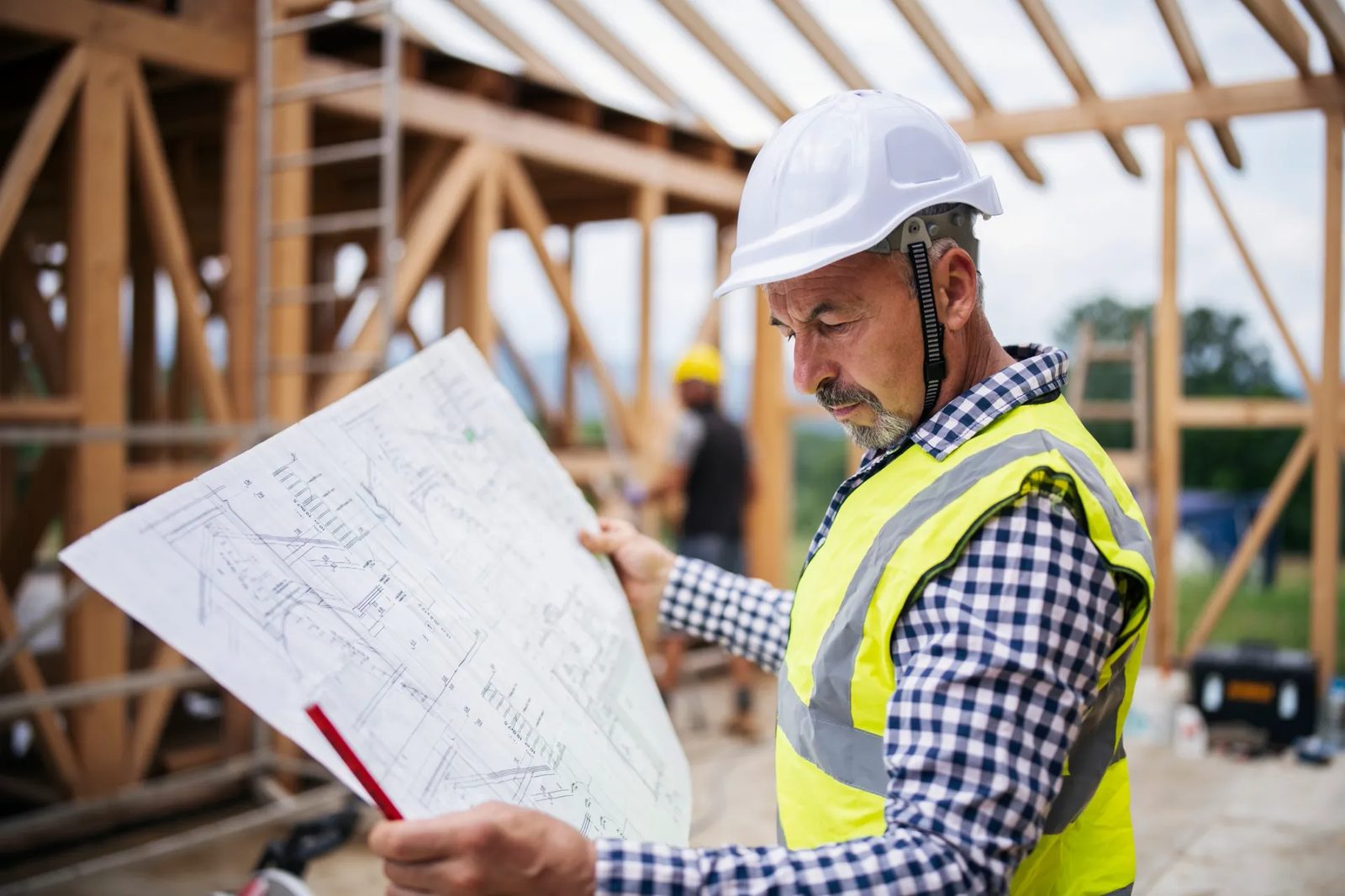
Every application is different, but construction equipment financing generally works best when you can show:
- Time in business: 2+ years in business is preferred. If you are newer than that, startup programs exist for applicants with strong credit — ask rather than assuming you are out.
- Credit: 600+ FICO gives access to the best rates, with programs available down to 550. Your full profile matters, not just the score.
- Bank statements: the last 6–12 months of business bank statements, showing the cash flow behind the business.
- The equipment: a quote or invoice identifying the machine you are buying — or, for auction and private-party purchases, the equivalent documentation for that sale.
- A signed application: the starting point for a real pre-qualification review.
Checking your options starts with a soft credit pull only — a hard pull happens only if you decide to proceed. Bank turndowns are welcome to apply, and situations such as tax liens or a prior bankruptcy are reviewed case-by-case rather than treated as automatic disqualifiers. What a lending partner will ultimately require depends on your specific deal, which is exactly why a real review beats guessing.
Seasonal and Cash-Flow Considerations for Contractors
Construction cash flow is rarely level. Revenue concentrates in building season, receivables stretch, retainage is held until completion, and weather can pause billings while insurance, yard rent, and key salaries continue.
Keep that shape in mind when you finance equipment:
- Size the payment to your slow months, not your best months. A payment that only works in peak season is a payment that will hurt in January.
- Time major purchases to your pipeline. Adding a machine ahead of confirmed work is a different risk from adding one for a signed contract — be honest about which situation you are in.
- Protect your bonding and working capital. Lenders and bonding companies both look at liquidity. Preserving cash by financing a machine, rather than depleting reserves to buy it, can support the rest of your operation — but taking on payments you cannot carry does the opposite.
- Plan for the machine's whole cost. Maintenance, wear parts, transport, and insurance belong in the same calculation as the payment.
The right question is not just 'how much machine can I get?' It is 'what payment fits the way my revenue actually arrives?' Bring your bank statements and upcoming workload to that conversation.
How It Works: 3 Steps
- Apply and pre-qualify. Submit a signed application with your bank statements and the equipment quote or invoice. Pre-qualification typically comes back in 24–48 hours, starting with a soft credit pull only.
- Review your options. If a lending partner can work with your deal, you will see the structure and terms available to you — loan or lease, term length, and payment — so you can compare them against your cash flow before committing.
- Fund and put the equipment to work. Once you accept and the paperwork is complete, the purchase is funded — whether the seller is a dealer, a private party, or an auction — and the machine goes on your job site, where it belongs.
A Note on Section 179 and Taxes
Many contractors time purchases around tax planning, and provisions such as the Section 179 deduction and bonus depreciation can be relevant to a financed purchase. The details change, and they interact with your wider tax picture and your loan or lease structure. Treat this as general information only, and confirm the current rules with your CPA or tax advisor before deciding.
Frequently Asked Questions
How fast can I get construction equipment financing?
Pre-qualification typically comes back in 24–48 hours once your application, bank statements, and equipment quote or invoice are in. Full funding depends on the deal, the structure, and the lending partner's requirements, so no specific funding date can be promised in advance.
Will checking my options hurt my credit?
No. Checking starts with a soft credit pull only, which does not impact your credit. A hard pull happens only if you decide to proceed with a financing offer.
Can I finance used construction equipment?
Yes. Used equipment financing is a standard part of the program, including machines bought from dealers and private parties. The equipment's identification and documentation, and your business profile, will be part of the review.
Can I finance equipment bought at auction?
Yes — auction purchases are welcome. Because auctions have short payment windows, it is smart to speak with a specialist and get pre-qualified before auction day, so you know your budget in advance.
What credit score do I need for construction equipment financing?
A FICO score of 600+ gives access to the best rates, and programs are available down to 550. Lending partners look at your overall profile — time in business, cash flow, and the equipment — not the score alone, and approval can never be guaranteed.
I was turned down by my bank. Can I still apply?
Yes. Bank turndowns are welcome. Moniphy works through a network of third-party lending partners rather than a single bank's rules, and situations such as tax liens or a prior bankruptcy are reviewed case-by-case.
How much can I finance, and do I need a down payment?
Financing is available from $50K–$75MM+ per transaction, with up to 100% financing and terms of 24–84 months, subject to credit approval and program guidelines. Whether a down payment is required depends on your application and the equipment.
Is Moniphy a lender?
No. Moniphy is an independent equipment finance broker. Applications are placed with third-party lending partners, who make all credit decisions. Moniphy cannot guarantee approval, rates, amounts, or timelines.
Get Your Equipment Financing Quote Today
Pre-qual in 24–48 hours. Soft pull only. No obligation — and approval is subject to lender review, never guaranteed.