

Home · Working Capital & Business
Working Capital & BusinessRestaurant Tech Forecast: Where Smart Operators Are Investing
POS that talks to inventory, kitchen display systems, online ordering that keeps its margin — the technology restaurants are financing now, and how they pay for it.
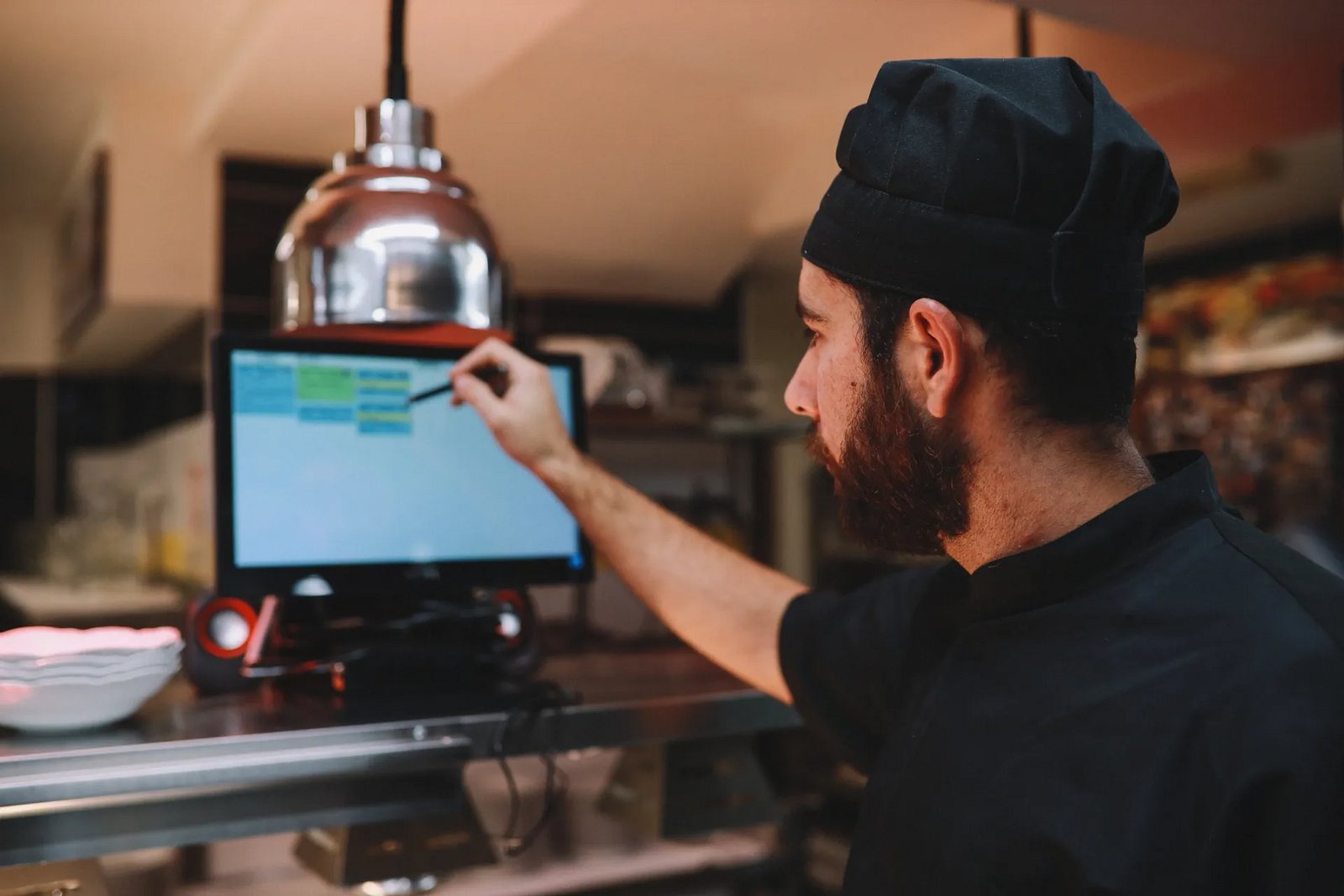
RESTAURANT TECH FORECAST: EMERGING
TRENDS DEFINING DINING IN 2025!
Keeping abreast of these technological shifts isn't just about adopting the latest gadget; it’s about ensuring the continued relevance and profitability of your business. The restaurant landscape is becoming increasingly competitive. Diners have more choices than ever and are quick to gravitate towards establishments that offer a seamless, efficient, and enjoyable experience. Technology empowers restaurants to deliver precisely that. By staying informed, restaurant owners can make strategic investments that improve operations, attract customers, and ultimately, boost their bottom line.
Let's dive into some key technology trends that are poised to reshape the restaurant industry by 2025, impacting everything from customer service to inventory management. We’ll examine how these innovations are already being implemented, particularly within Texas, and consider their potential for the coming years.
AI-Powered Ordering Systems
Artificial intelligence (AI) is moving beyond simple automation and is beginning to offer genuinely intelligent solutions for restaurants. In the realm of ordering, AI is changing the game, enhancing customer experience and streamlining operations in ways previously unimaginable.
Consider the possibilities: personalized recommendations based on past orders, voice-activated ordering systems that allow for hands-free operation, and AI-powered chatbots that can handle customer inquiries and take orders online. These technologies are designed to make the ordering process more intuitive and convenient for the customer, leading to increased satisfaction and repeat business.
One of the most significant benefits of AI-powered ordering systems is their ability to reduce wait times. By analyzing order patterns and predicting demand, AI can optimize staffing levels and ensure that ingredients are readily available. This minimizes bottlenecks in the kitchen and speeds up the entire process, getting food to customers faster and reducing frustration. Furthermore, AI can personalize the ordering experience by suggesting add-ons or modifications based on a customer’s preferences and dietary restrictions. This not only enhances customer satisfaction but also increases the likelihood of upselling.
In Texas, several restaurants are already seeing success with AI-powered solutions. For example, a Tex-Mex chain utilizes an AI-driven kiosk system that learns customer preferences over time, suggesting popular combinations and special offers. This has resulted in a noticeable increase in average order value and a decrease in labor costs. Similarly, a burger joint in Austin uses AI to analyze drive-thru orders and optimize the menu based on real-time demand, reducing food waste and improving efficiency. These examples demonstrate the tangible benefits of AI in a practical restaurant setting. While complete adoption might be expensive, even smaller establishments can use existing data to predict popular times and plan accordingly.
Looking ahead, we can anticipate even more sophisticated AI applications in ordering. Imagine AI-powered systems that can detect customer emotions through facial recognition and adjust recommendations accordingly, or virtual assistants that can provide personalized service and build relationships with customers online. The potential for AI to revolutionize the ordering process is enormous, and restaurants that embrace this technology will be well-positioned to thrive in the years to come.
The Rise of Contactless Payments
The pandemic accelerated the adoption of contactless payments, transforming them from a convenience to a necessity for many diners. Even as concerns surrounding the pandemic subside, the preference for contactless options remains strong, driven by its speed, hygiene, and overall ease of use.
Contactless payments, encompassing methods like mobile wallets (Apple Pay, Google Pay, Samsung Pay) and tap-to-pay credit cards, offer a frictionless transaction experience. Customers can pay quickly and securely without physically handling cash or touching shared surfaces, minimizing the risk of germs.
Texas restaurants have been quick to adopt contactless technology, driven by customer demand and the desire to provide a safe and convenient dining experience. According to recent data, the percentage of Texas restaurants accepting contactless payments has increased significantly, and this trend is expected to continue. This is partially due to the diverse population of the state and their varying familiarity with technology. Catering to all segments of the population requires integration.
Ensuring the security of contactless transactions is paramount. Technologies like tokenization and encryption are used to protect sensitive payment information, making it virtually impossible for fraudsters to intercept or steal data. Additionally, many contactless payment systems offer fraud protection policies that reimburse customers for unauthorized transactions. For restaurant owners, implementing secure contactless payment systems is not only about meeting customer expectations but also about protecting their business from potential financial losses.
The future of contactless payments in restaurants is likely to involve even more seamless and integrated experiences. Imagine systems that allow customers to pay directly from their smartphones without even needing to open an app, or loyalty programs that are automatically integrated into the payment process. Contactless payments are here to stay, and restaurants that embrace this technology will be well-positioned to provide a modern and convenient dining experience.
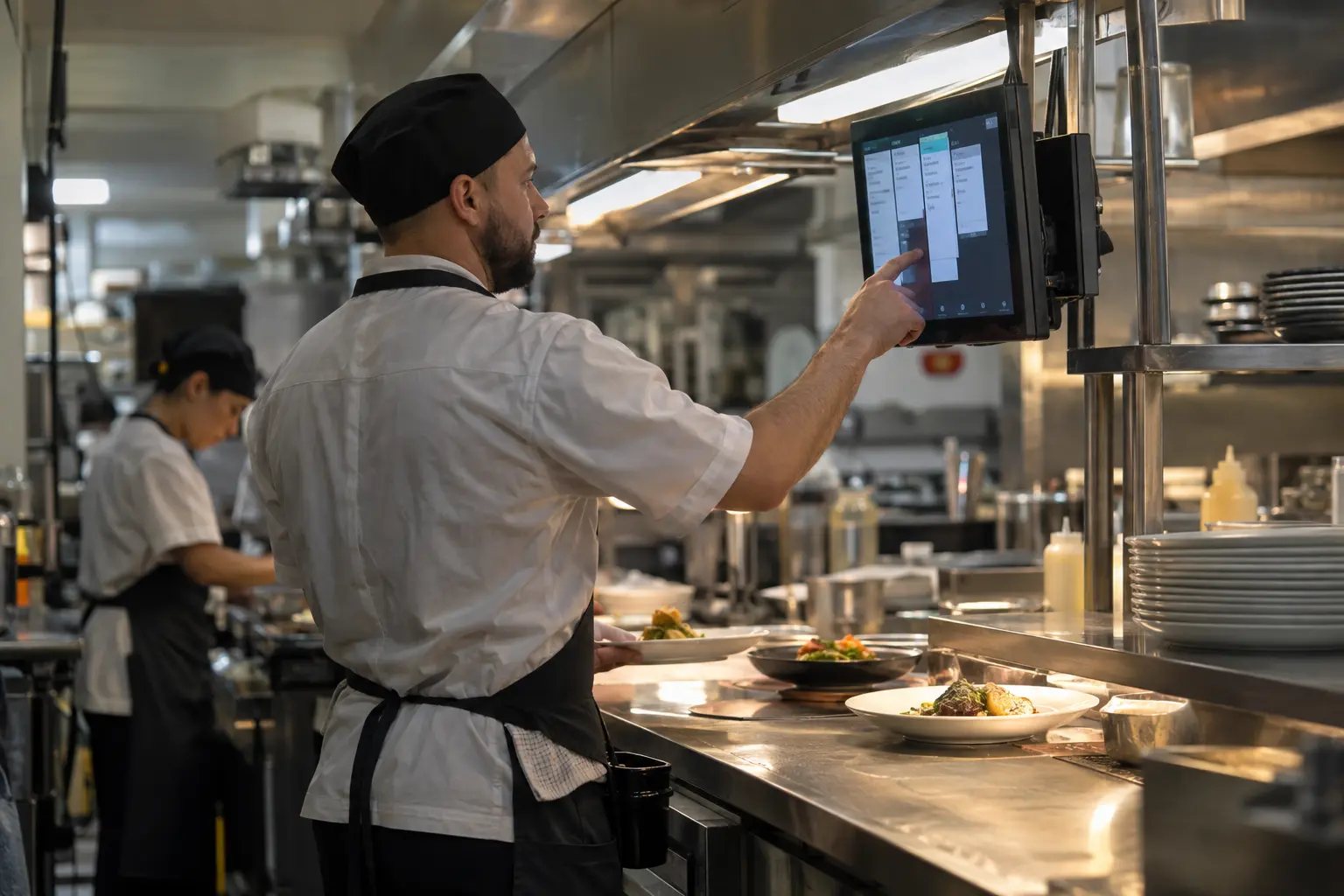
Integrating Smart Kitchen Equipment
Smart kitchen equipment is rapidly changing how restaurants operate, increasing efficiency, reducing waste, and improving the quality of food. These appliances leverage sensors, data analytics, and automation to optimize various aspects of kitchen operations.
From smart ovens that automatically adjust cooking times and temperatures to intelligent refrigerators that monitor inventory levels and expiration dates, smart kitchen equipment offers a wide range of benefits. These technologies can help restaurants reduce energy consumption, minimize food waste, and improve consistency in food preparation. Furthermore, smart equipment can provide valuable data insights that can be used to optimize menu planning, staffing levels, and purchasing decisions.
Energy management is a critical concern for restaurants, and smart kitchen equipment can play a significant role in reducing energy consumption. For example, smart ovens can be programmed to automatically shut off when not in use, and intelligent refrigerators can optimize cooling cycles to minimize energy waste. These features can lead to significant cost savings over time and contribute to a more sustainable business model.
Several Texas eateries have successfully implemented smart kitchen technology to improve their operations. A BBQ restaurant in central Texas implemented a smart smoker with real-time monitoring of temperature and humidity. This ensured consistency in meat preparation and allowed staff to remotely monitor cooking, freeing them up for other tasks. Similarly, a pizza chain in Dallas uses smart ovens that automatically adjust cooking times based on the type of pizza being baked, resulting in perfectly cooked pizzas every time.
Looking ahead, we can anticipate even more advanced smart kitchen solutions. Imagine robotic chefs that can automate repetitive tasks, or AI-powered systems that can predict equipment failures and schedule preventative maintenance. The potential for smart kitchen equipment to revolutionize restaurant operations is enormous, and restaurants that embrace this technology will be able to achieve significant improvements in efficiency, quality, and sustainability.
Digital Menu Boards and Inventory Management
Digital menu boards and advanced inventory management systems are transforming the way restaurants present their offerings and manage their resources, contributing to a more efficient and engaging dining experience.
Digital menu boards offer a dynamic and visually appealing way to showcase menu items, specials, and promotions. They allow restaurants to update their offerings quickly and easily, without the need to print new menus. This is particularly useful for restaurants that offer seasonal menus or frequently change their specials. Digital menu boards can also be used to display nutritional information, allergen warnings, and customer testimonials, providing diners with the information they need to make informed choices.
Modern inventory management software provides real-time visibility into stock levels, helping restaurants to avoid stockouts, reduce waste, and optimize purchasing decisions. These systems can track inventory from the moment it arrives at the restaurant until it is used in a dish, providing valuable insights into consumption patterns and trends. Furthermore, inventory management software can be integrated with point-of-sale (POS) systems to automatically update inventory levels as orders are placed, ensuring accurate and up-to-date information.
These technologies collectively impact the dining experience positively by providing customers with more information, greater convenience, and a more engaging atmosphere. Digital menu boards can capture attention and showcase menu items in an appealing way, while efficient inventory management ensures that restaurants have the ingredients they need to meet customer demand. The integration of these technologies leads to a more seamless and enjoyable dining experience for everyone involved.
In the coming years, we can anticipate even greater integration between digital menu boards, inventory management systems, and other restaurant technologies. Imagine digital menu boards that automatically adjust pricing based on real-time demand, or inventory management systems that can predict future demand and automatically place orders with suppliers. The potential for these technologies to transform the dining experience is significant, and restaurants that embrace them will be well-positioned to succeed in the years to come.
Key Takeaways for 2025
As we approach 2025, several key technology trends are set to reshape the restaurant industry. AI-powered ordering systems promise to enhance customer service, reduce wait times, and personalize the dining experience. Contactless payments have become a necessity, offering a convenient and secure way for customers to pay. Smart kitchen equipment is increasing efficiency, reducing waste, and improving the quality of food. And digital menu boards and inventory management systems are transforming the way restaurants present their offerings and manage their resources.
The restaurant sector is in constant motion, with ongoing changes and continuous innovations. New technologies are constantly emerging, and existing technologies are being refined and improved. Restaurants that embrace this ongoing evolution will be best positioned to meet the changing needs and expectations of their customers.
Ultimately, embracing change is essential for the future success of restaurants. Technology offers a powerful set of tools that can help restaurants improve operations, attract customers, and boost their bottom line. By staying informed about the latest trends and investing in the right technologies, restaurant owners can ensure that their businesses are well-positioned to thrive in the years to come. I encourage you to explore how these technologies can integrate into your own operations to elevate your offerings and streamline your workflows.
If you'd like to discuss how these trends can specifically benefit your restaurant in Texas, contact us.
NEED WORKING CAPITAL? GO HERE >>
Get Your Equipment Financing Quote Today
Pre-qual in 24–48 hours. Soft pull only. No obligation — and approval is subject to lender review, never guaranteed.