

Home · Guide · Equipment Financing
Guide · Equipment FinancingOwn It or Lease It? The Choice That Changes Your Balance Sheet
Two businesses can buy the identical machine, on the same day, for the same price — and end up with completely different costs, tax positions, and choices at the end of the term. The difference is not the equipment. It is the structure: an equipment loan, or an equipment lease.
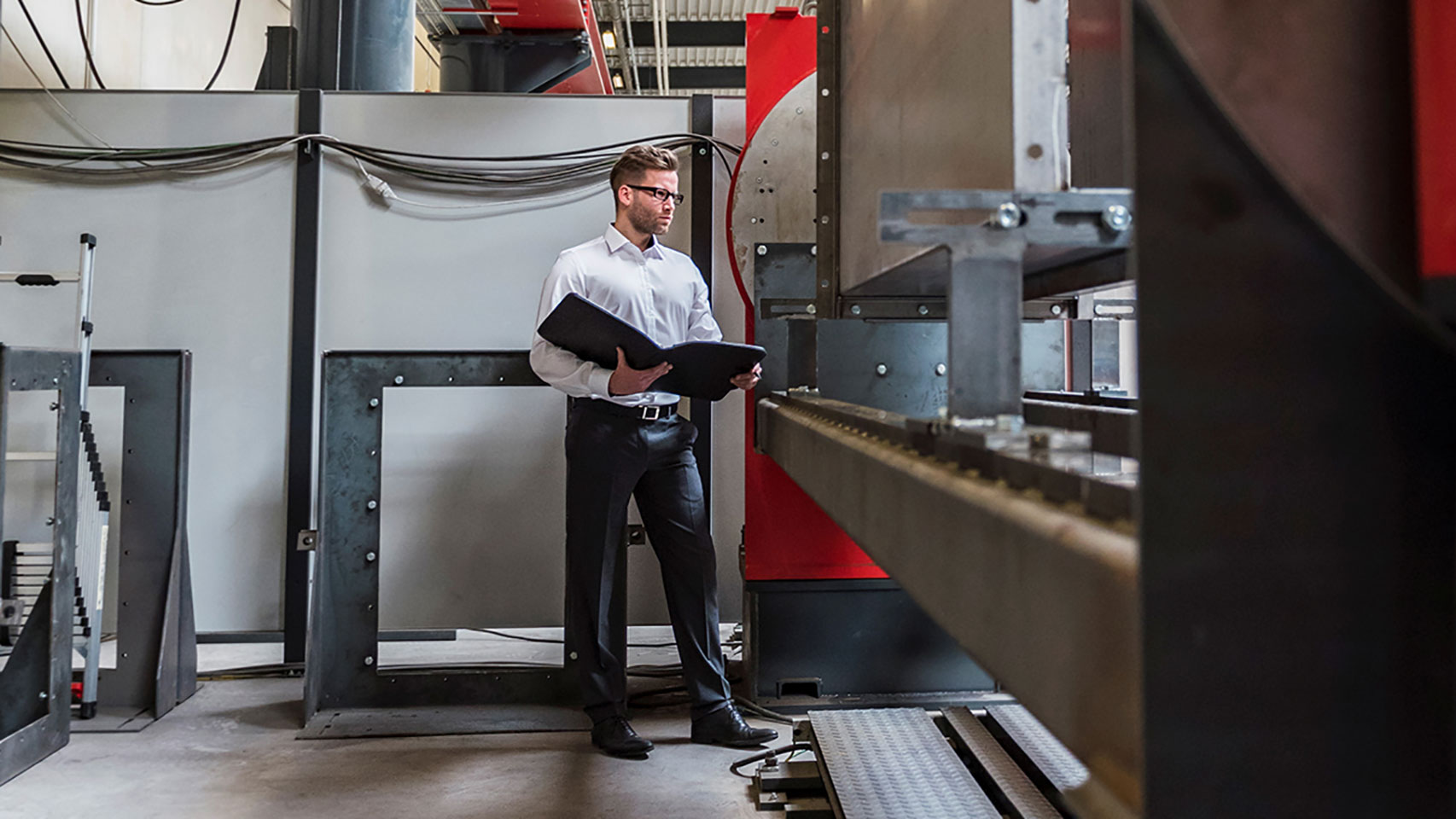
The equipment loan vs lease decision is one of the most consequential choices in any equipment purchase, and it is often made in a hurry, on the monthly payment alone. That is a mistake. The payment is only one of four things that change with the structure — ownership, total cost, tax treatment, and what happens when the term ends are the others, and the right answer depends on how long you will use the equipment, how fast it loses value, and what your cash flow can comfortably carry.
This guide compares the two side by side, explains the main lease types, and gives you a practical way to decide. It is general educational information, not financial or tax advice.
Moniphy, LLC is an independent equipment financing broker, not a lender or a bank. Credit decisions are made by third-party lending partners, and nothing here guarantees approval, a rate, an amount, or a timeline.
Pre-qual in 24-48 hours. Soft pull only — no impact on your credit to check.
Equipment Loan vs Lease at a Glance
| Question | Equipment loan | Equipment lease |
|---|---|---|
| Who owns the equipment during the term? | You do, from purchase | The lessor does; you have the right to use it |
| Who owns it at the end? | You do, outright once repaid | Depends on the lease type — see below |
| Typical payment | Higher, because you are paying the full value plus interest | Can be lower on an FMV lease, because you pay for use, not full value |
| Down payment | Varies; up to 100% financing available through Moniphy's program | Varies; often structured with first payment and fees rather than a large down payment |
| Tax treatment | You generally claim depreciation and deduct interest, subject to the rules | Treatment depends on lease type — operating-style leases may treat payments as an expense; capital-style leases are treated more like ownership |
| End of term | Nothing further to decide — the equipment is yours | Return it, buy it, or extend, according to the lease terms |
| Best suited to | Equipment you will keep for its working life | Equipment you will replace on a cycle, or where lower payments matter most |
That table is a starting point, not the whole answer — because "lease" covers several structures that behave very differently from each other.
How an Equipment Loan Works
With an equipment loan, a lending partner funds the purchase price, you own the equipment from day one, and the equipment secures the loan. You repay principal and interest over the term, and when the loan is repaid, the lender's interest in the equipment ends.
Through Moniphy's program, equipment loans are available from $25,000 to $25 million or more, with up to 100% financing and terms of 24–84 months, subject to credit approval. New and used equipment qualifies, from dealers, private parties, and auctions, and soft costs connected to the purchase can often be rolled in.
A loan tends to suit you when:
- You will keep the equipment well beyond the term — a machine with a 15-year working life financed over five years
- Building equity matters: every payment increases the share of the asset you own outright
- You want the freedom to modify, move, or eventually sell the equipment on your own timetable
- You want to claim depreciation yourself, including Section 179 or bonus depreciation where you qualify — confirm your position with your tax advisor
The honest costs of a loan: the monthly payment is usually the highest of the options, because you are buying the whole asset; and you carry the risk that the equipment's value falls faster than the balance — a real consideration on fast-depreciating technology.
How an Equipment Lease Works — and Why the Type Matters
With a lease, the lessor buys and owns the equipment, and you pay to use it for the term. What happens at the end depends entirely on which lease you signed.
$1-buyout lease (capital lease)
Payments spread the full value of the equipment over the term, and at the end you purchase it for $1. In economic substance this is close to a loan: you expect to own the equipment, and the tax and accounting treatment is generally closer to ownership. Owners choose it when a lease form suits their approval process or accounting, but the intention to keep the equipment is clear from the start.
Fair market value (FMV) lease
Payments are lower, because you are paying for the equipment's use during the term rather than its full value. At the end you choose: return the equipment, buy it at its then fair market value, or extend the lease. An FMV lease suits equipment that dates quickly — technology, some medical and diagnostic equipment, and assets you plan to refresh on a cycle — and businesses that would rather keep payments low and decide later. It is a poor fit if you know you will keep the equipment for a decade: you will have paid years of rent and still face a purchase price at the end.
Sale-leaseback
A sale-leaseback is not a purchase structure at all. You sell equipment you already own outright to a lessor and lease it straight back, releasing the cash tied up in it while continuing to use it. Businesses use it to raise working capital or fund growth without a conventional loan, subject to the equipment's value and their credit profile.
Before signing any lease, read the end-of-term terms as carefully as the payment. Automatic extensions, notice deadlines for returning equipment, and how fair market value will be determined are the clauses that surprise people — three or five years later, when they have forgotten signing them.
Total Cost: Compare More Than the Payment
The most common error in the equipment loan vs lease comparison is ranking options by monthly payment. A lower payment can simply mean a longer term, a residual still to pay at the end, or both.
Compare, for each structure you are quoted:
- Total paid over the term — every payment, plus fees, plus any end-of-term purchase price
- What you own at the end — the equipment outright, the equipment after a buyout payment, or nothing
- The equipment's likely value at the end — a loan on a machine still worth a third of its price has built real equity; the same payments on an FMV lease have built none, by design
- Tax effect, estimated with your advisor — depreciation and Section 179 on owned equipment can be substantial in the year of purchase; lease payment treatment may be simpler but smaller in any one year
- Flexibility cost — early termination, upgrade, and return conditions, if your plans might change
Neither structure is universally cheaper. A loan usually wins on total cost for equipment you keep; an FMV lease can win on cash flow and on avoiding ownership of an asset that will be obsolete when the term ends. The comparison only works when it is run on your equipment, your term, and your intended period of use.
Cash Flow and Your Balance Sheet
Structure also changes how the deal looks on your books and in your bank account.
A loan puts both an asset and a liability on the balance sheet, and the full payment has to be carried from the first month. A lease — depending on its type and current accounting rules — may present differently, though modern accounting standards bring most leases onto the balance sheet in some form, so do not choose a lease expecting it to be invisible to a future lender. Lenders reviewing a later application will ask about lease obligations whether or not they appear as debt.
What genuinely differs is cash flow shape. An FMV lease's lower payment preserves monthly cash for payroll, materials, and the quiet months. A loan's higher payment buys equity. Which matters more depends on the business: a seasonal business may rationally pay more in total to keep monthly obligations survivable in winter; a stable business with strong margins usually should not pay for flexibility it will not use.
Through Moniphy, the underlying qualification is the same either way: 600+ FICO gives access to the best rates, with programs available down to 550, subject to credit approval; 2+ years in business is preferred, with startup programs for strong credit; and underwriting is supported by 6–12 months of business bank statements and the equipment quote or invoice. Pre-qualification is typically available in 24–48 hours from a soft credit pull only.
Not sure which structure fits the equipment you have in mind?
Bring the quote — a pre-qualification can be structured as a loan or a lease, so you can compare real payments on both before you commit.
Get Your Equipment Financing QuotePre-qual in 24–48 hours. Soft pull only — no impact on your credit to check.

A Practical Way to Decide
Work through these five questions in order. In most purchases, the answers point clearly one way.
- How long will you actually use it? Longer than the financing term, with years to spare — lean loan or $1-buyout. A defined period, then a replacement — consider FMV.
- How fast does it lose value or date? Slow, durable equipment (heavy machinery, trailers, many machine tools) holds value and rewards ownership. Fast-dating equipment punishes it.
- What can your cash flow carry in a bad month, not a good one? If the loan payment only works at full utilisation, the lease's lower payment — or a longer loan term — is the safer structure.
- What does your tax advisor say? Section 179 and bonus depreciation can make ownership unusually attractive in a profitable year; in a thin year, the same deductions may be worth little. This is a year-specific answer, not a general one.
- Do you want the end-of-term decision, or not? Some owners value the FMV lease's choice to return, buy, or extend. Others want never to think about the equipment again once the last payment clears. Both are legitimate — choose the structure that matches.
If you are still split after those questions, ask for both structures quoted on the same equipment and the same term, and compare them on the total-cost basis set out above. A broker can run that comparison across lending partners in a way a single lender, offering only its own products, usually cannot.
Frequently Asked Questions
Is an equipment loan or a lease cheaper overall?
For equipment you keep for its full working life, a loan is usually cheaper in total, because lease payments on an FMV structure buy use rather than ownership, and buying the equipment at the end adds its market value on top. For equipment you return at the end of the term, an FMV lease can cost less than buying and then selling an asset that has depreciated heavily. Compare total paid, end-of-term cost, and what you own at the end — not the monthly payment alone.
Can I claim Section 179 on leased equipment?
It depends on the lease type. Equipment under a $1-buyout or capital-style lease is generally treated as owned by you for tax purposes, so Section 179 and bonus depreciation may apply, subject to the rules and your taxable income. Equipment under a true FMV / operating-style lease generally stays the lessor's for tax purposes, and you deduct the lease payments instead. This is general information only — confirm your position with your tax advisor before relying on it.
Does leasing require better credit than a loan?
No. Both structures are underwritten on the same fundamentals — credit, time in business, cash flow shown in bank statements, and the equipment itself. Through Moniphy's program, 600+ FICO gives access to the best rates on either structure, with programs available down to 550, subject to credit approval.
Can I buy the equipment at the end of an FMV lease?
Yes — an FMV lease normally offers three end-of-term choices: return the equipment, extend the lease, or buy the equipment at its fair market value at that time. Check your lease documents for how that value is determined and what notice you must give, because those terms are set when you sign, not when the term ends.
Which is better for a new or young business?
Neither structure removes the challenge of a short trading record, but a lease or loan can still be possible: 2+ years in business is preferred through Moniphy's program, with startup programs available for owners with strong credit. A down payment, a strong personal credit profile, and equipment with good resale value all strengthen a young business's application under either structure.
Can I switch from a lease to ownership later?
On an FMV lease, the buyout option at the end of term is the built-in route to ownership, at fair market value. Buying out mid-term is sometimes possible but usually on terms set in the lease, and rarely cheap. If you expect to want ownership, a $1-buyout lease or a loan gives you that outcome from the start, without a second negotiation.
Are soft costs treated differently under a loan vs a lease?
Soft costs — items such as delivery, installation, and training connected to the purchase — can often be rolled into either structure through Moniphy's program, rather than paid separately in cash. The proportion a lending partner will include varies by deal, so itemise soft costs in the quote you submit rather than adding them afterwards.
Get Your Equipment Financing Quote Today
Loan or lease, the right answer starts with real numbers on the equipment you actually want — not a generic comparison. Get both structures tested against your profile, with no impact on your credit to check.
Prefer to talk? Call a live financing specialist at 1-800-390-1564
Equipment financing is provided through Moniphy's network of lending partners. All applications are subject to credit approval and program guidelines. Moniphy is an independent broker, not a lender. This page is general educational information and is not tax or financial advice — confirm tax treatment with your tax advisor.
Get Your Equipment Financing Quote Today
Pre-qual in 24–48 hours. Soft pull only. No obligation — and approval is subject to lender review, never guaranteed.